3. According to Korean Times, the most unfriendly city in the U.S. is Los Angeles.
http://www.koreatimes.com/article/639588
Friday, January 21, 2011

Question 1
1) The sudden dip occurred in 2001 on the "Overseas Arrival to the US" chart because the tragic terrorist attack of 9/11 happened. When the terrorist attack occurred, many immigrants didn't feel safe entering the U.S., so the Untied States had to make a change in the airport security. Statistics can help explain the significance of historic events because they show how much our country was truly affected and how our country has either improved or worsened since the event has happened. They can also help countries make changes in what they should do to improve their countries. Example: When HIV/AIDS was recognized, Africa's HIV/AIDS population went off the charts. This showed that Africa needs doctors, money, and help in their country. Without statistics, Africa would have never known about the huge HIV/AIDS break out in their country.
Friday, January 14, 2011
Sunday, January 9, 2011
Interview with a Foreign Exchange Student
Interview with Kelly Seo YoungJin, Freshman from Korea
Q1: What was the purpose of moving to the United States?
Q1: What was the purpose of moving to the United States?
A1: There are a lot of clubs and foreign languages I could learn. Also, it gave me a chance to work together with other people from different places. My family wanted me to see what it is like in other countries and give me the chance to work with American people.
Q2: How long have you lived here?
A2: I moved here on August 26th, 2010. I’ve been here for 6 months. It’s been really awesome. I’ve been to a bunch of favorite places in America, and John Carroll has been a really great school!
Q3: What languages can you speak?
A3: I can speak English, Korean, and French. I’m better at French than English. English words never sound the way they are written! It makes things confusing, but fun!
Q4: What is your main language at home?
A4: The people I stay with speak Korean and English. We don’t really speak one language, we speak both. I like English a lot. It’s fun to read and speak, but French is my favorite.
Q5: What is different from American school work and Korean school work?
A5: In Korea, they didn’t give us much homework. Here, they give us homework every night. But, in Korea kids were always studying because we had a test in school every day. In America, we only have tests sometimes. But, I like having homework better than having a test every day. I think it helps me do better when we have a big test.
Q6: What part of Korea are you from?
A6: I am from Seoul Korea, I really liked it there but the United States isn’t that bad either.
Q7: What is your favorite part about living in the United States?
A7: I live in Bel Air and I really like it here. Everyone is nice and they are always trying to help me since it’s a little hard for me to understand and translate to people. I also like the family I am staying with. They are really supportive and help me.
Q8: What do you miss about Korea?
A8: I miss my dance teacher because he taught me how to dance well. But, he can dance better than me. I miss my friends, too. We hung out every day, but I get to hang out with my new friends here.
Q9: What is different from the United States and Korea?
A9: In Korea, any students wander the streets after school. Here, students go home or play sports. Also, students here don’t have a lot of time to hang out with friends because school gives us a lot of work. But, I don’t think the people here mind.
Q10: Were you comfortable with moving here?
A10: Yes. I was really excited to move here, too. I think it was fun to make new friends and to meet new people. It was a little hard leaving my friends back home, but I know I’ll see them again once day!
Q11: Do you like John Carroll? Why or why not?
A11: I like John Carroll. I got to meet my friends and exchange students just like me! Also, the teachers keep me after school to translate my work, and to help me understand my assignments better. John Carroll has been really helpful.
Q12: Was it easy for your parents to get jobs once they moved here?
A12: My parents don’t live in the United States. It was easier for them to stay in Korea and keep the jobs they have there. But, if they wanted to live here, I’m sure they could get jobs really easily. They are very smart people!
Q13: Does any of your family live in the U.S.?
A13: No, all of my family lives in Korea. I stay with a family while I’m here. They are really nice and fun to stay with. But, my family does visit sometimes to see how I’m doing. I miss them a lot, but I know I’ll see them soon hopefully.
Q14: Do you comfortable now that you have lived in the U.S. for a little while?
A14: Yes, I feel more comfortable. Everyone has been really nice and easy to work with. I stay after school and hang out with my friends, and the teachers are always trying to help me do my best and get good grades. I really like it here and I tell my friends in Korea they should try this!
Thursday, January 6, 2011
Life as an Exchange Student in Yemen
Jan. 6th, 2011
Dear Diary,
After spending one school year in Yemen, I've learned a lot about the teaching system and education compared to the United States. When I walked into the school, it was fairly small. Not many kids attended, and the ones that did were mostly boys. Yemen also has a larger population of births per year, which would make people think that the schools would be larger, but unfortunately they are not. Also, a lot of the teaching staff didn't show up either. But, the few people that did show up learned and worked in poor conditions. The school supplies was also in poor conditions and they had no electricity, which isn't uncommon in Yemen. I found it hard to believe that anyone could learn in these conditions. Yemen can't even afford education for all of the children in the country. Most children have the opportunity to go to school from the age of 6-14. But, their families usually don't allow them/ don't make them go to school so they can stay home and work. The family I stayed with sent their children to school, but within the neighborhood I stayed in, many parents kept their children home to work. Even though the children stayed home and worked, it is still easier to get a job in the U.S. then in Yemen. Overall, I'm definitely glad I live in the U.S. instead of Yemen.
Love,
Kelly

Yemen children in school.
Source

Yemen children working.
Source

Life in Yemen.
Source
Source
Source
Dear Diary,
After spending one school year in Yemen, I've learned a lot about the teaching system and education compared to the United States. When I walked into the school, it was fairly small. Not many kids attended, and the ones that did were mostly boys. Yemen also has a larger population of births per year, which would make people think that the schools would be larger, but unfortunately they are not. Also, a lot of the teaching staff didn't show up either. But, the few people that did show up learned and worked in poor conditions. The school supplies was also in poor conditions and they had no electricity, which isn't uncommon in Yemen. I found it hard to believe that anyone could learn in these conditions. Yemen can't even afford education for all of the children in the country. Most children have the opportunity to go to school from the age of 6-14. But, their families usually don't allow them/ don't make them go to school so they can stay home and work. The family I stayed with sent their children to school, but within the neighborhood I stayed in, many parents kept their children home to work. Even though the children stayed home and worked, it is still easier to get a job in the U.S. then in Yemen. Overall, I'm definitely glad I live in the U.S. instead of Yemen.
Love,
Kelly

Yemen children in school.
Source


Yemen children working.
Source


Life in Yemen.
Source

Source
Source
Wednesday, January 5, 2011
India vs. U.S
India


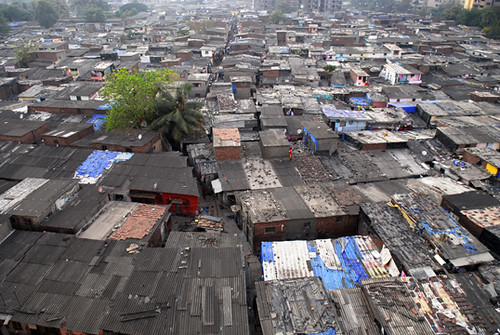
India is the second country with the largest population in the world. The capital of India is New Delhi, and the population is about 295,000. Overall, the population of India is 1, 173, 108, 018. The life expectancy of a person in India is about 67 years old. Hindi is the main language spoken, but there are also 300 other languages that are spoken in India. Their GPD is $1.367 trillion. Compared the the U.S., India has about 862,875,155 more people. Also, the U.S.'s capital population is 601,723, which is about double the amount of people in the capital of India. The median age of a person in the U.S. is about 78 years old, which is 11 years older than the
life expectancy of a person in India. The main language of the U.S. is $14.256 trillion. As you can see, the U.S. has a much smaller population than India, but our nation seems to have many advantages over India.
Map of Top 10 Countries by Population & Capitals
http://en.wikipedia.org/wiki/United_States
http://en.wikipedia.org/wiki/Languages_of_the_United_States
http://en.wikipedia.org/wiki/Washington,_D.C.
http://en.wikipedia.org/wiki/India
https://www.cia.gov/library/publications/the-world-factbook/geos/us.html
https://www.cia.gov/library/publications/the-world-factbook/geos/in.html
http://blog.babazeka.com/wp-content/uploads/2009/05/cows_street.jpg

http://www.horizonsunlimited.com/gregfrazier/images/2001-03-20-women-a.jpg

http://farm4.static.flickr.com/3346/3216831385_a16a12b013.jpg
Monday, December 13, 2010
Subscribe to:
Posts (Atom)